A Foundational Bengal Vihara
One of the earliest brick-built quadrangular monasteries in the Bengal delta, predating and influencing the design tradition that would later culminate at Paharpur and Vikramashila.
Moinamoti · Cumilla · Bangladesh
Ancient Buddhist Monastic Legacy of Bengal — a 7th-century university of meditation, scholarship, and civilisational dialogue rising from the red-soil hills of Moinamoti.
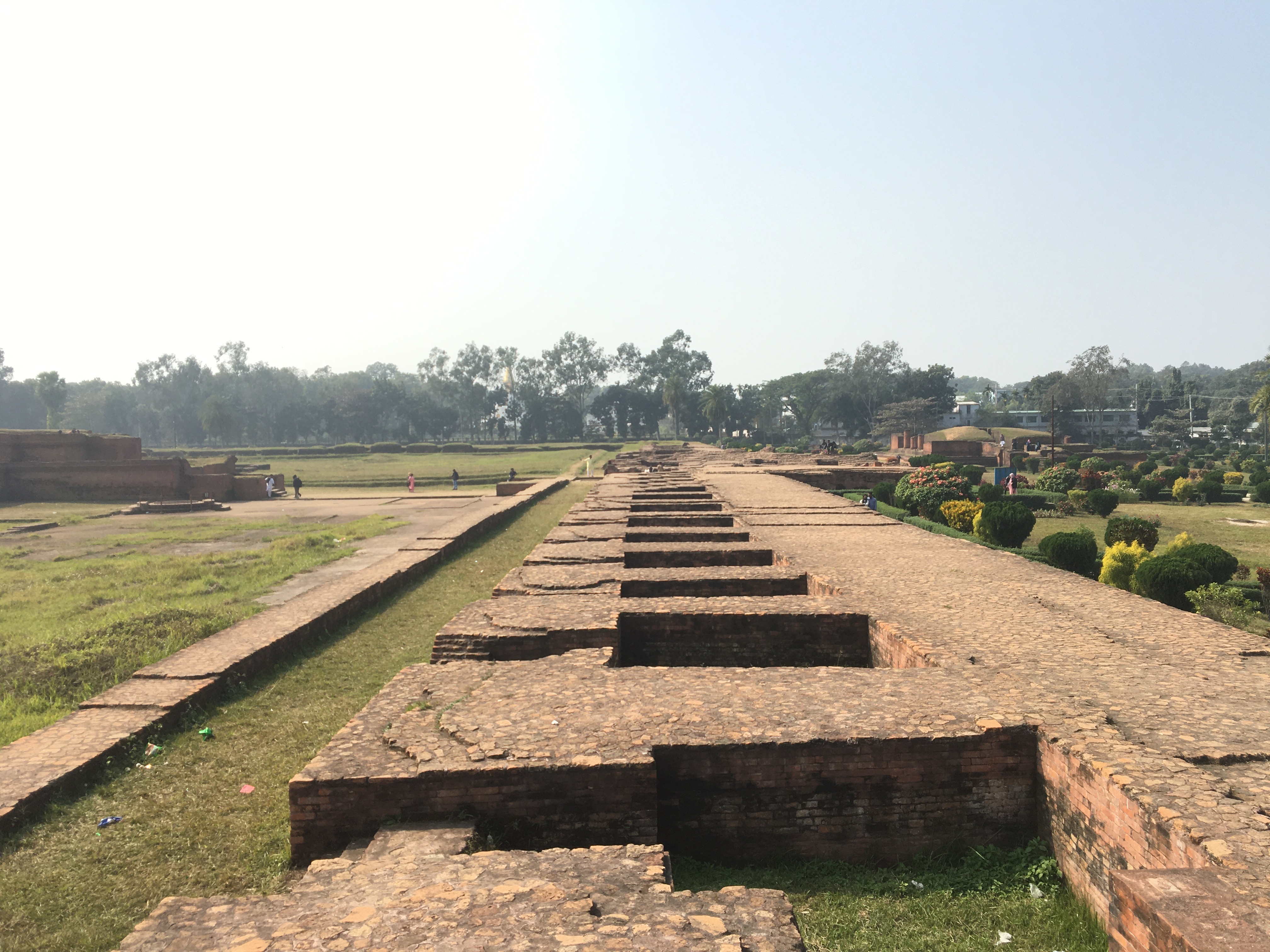
Set on the gently rising lateritic hills of Moinamoti in Cumilla, Shalban Vihara is among the most consequential Buddhist monastic complexes ever uncovered on the soil of Bangladesh. Founded during the early reign of the Deva dynasty in the 7th–8th century CE, the vihara flourished under successive royal patrons — Chandras, Palas, and beyond — across nearly six centuries of unbroken monastic life.
What survives today is the architectural skeleton of a great university of contemplation: a vast quadrangular monastery built around a cruciform central shrine, its 115 cells once home to scholars, monks, and pilgrims who travelled from across the eastern Buddhist world to study, meditate, and copy sacred manuscripts within its brick walls.
A cruciform central shrine encircled by 115 individual residential cells.
Built and rebuilt under Deva, Chandra, and later Pala-era benefactors.
Shalban Vihara is not a single monument but a living archive — its bricks, terracotta plaques, and bronze icons together compose one of the most complete records of monastic life in early-medieval Bengal.
One of the earliest brick-built quadrangular monasteries in the Bengal delta, predating and influencing the design tradition that would later culminate at Paharpur and Vikramashila.
For nearly six centuries, monks here studied Vinaya, Abhidharma, and tantric ritual — making Shalban Vihara a node in a wider learning network linked to Nalanda and Somapura.
Excavations have yielded copper-plate inscriptions, gold-leaf manuscripts, terracotta plaques, bronze Buddhas, and a coin sequence narrating dynastic patronage from the 7th to the 12th century.
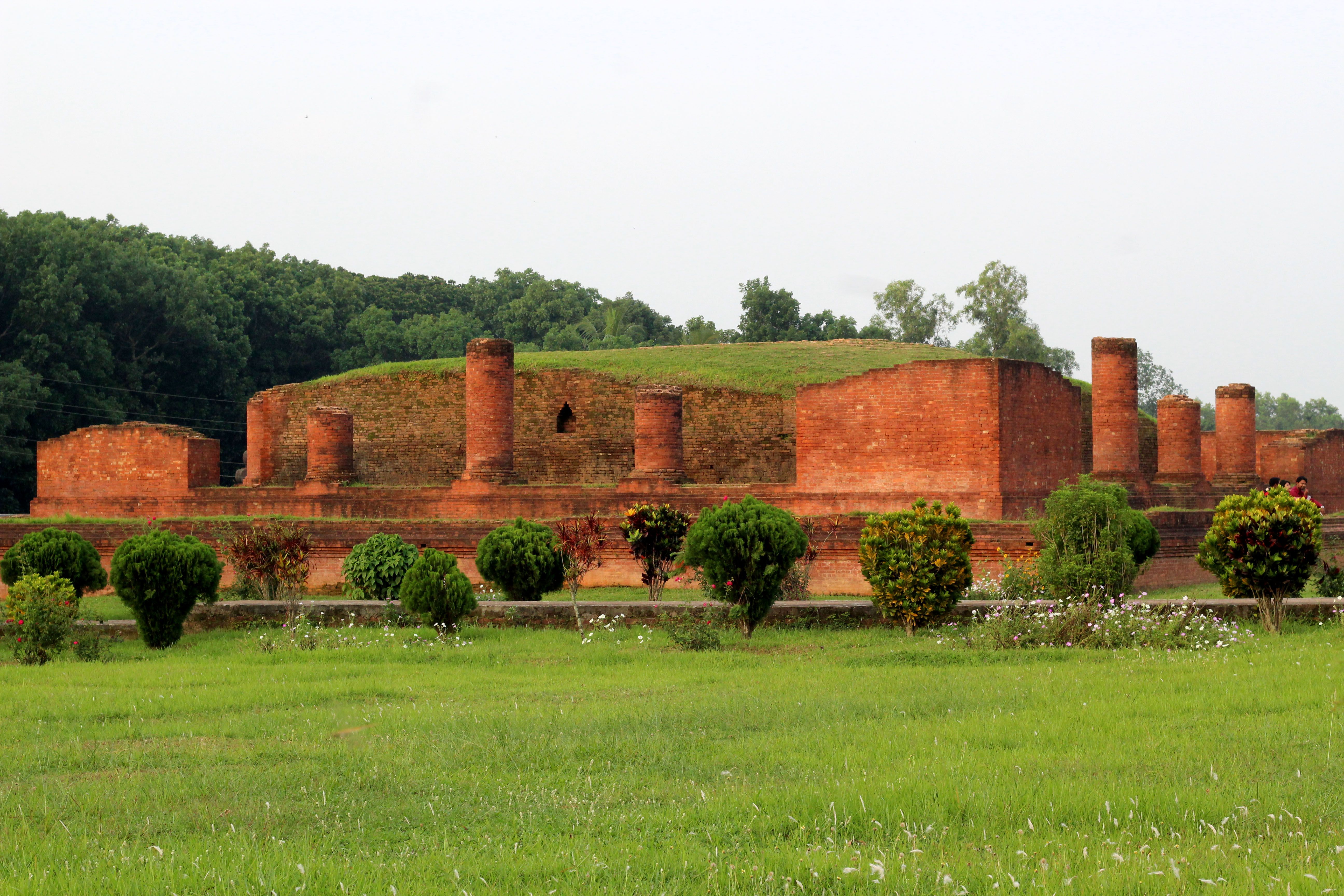
The 115 cells of Shalban Vihara were not chambers of seclusion alone — they were classrooms, scriptoria, and quiet workshops of the mind. Each monk's cell opened inward toward the central shrine, the architectural embodiment of a community oriented around the Buddha-dharma.
Within these walls, Mahayana and later tantric traditions were transmitted, manuscripts were copied onto palm-leaf and birch-bark, and bronze icons were cast under the supervision of master craftsmen — making the vihara both a sanctuary and a workshop of civilisation.
Explore the LegacySuccessive seasons of excavation since the early 1950s have revealed seven distinct building phases at Shalban Vihara — each a layer of brick, mortar, and intent representing a different chapter in the monastery's long life.
View Architectural PlanShalban Vihara is the most studied monument within a much larger sacred landscape — the Moinamoti–Lalmai ridge — which extends nearly twenty kilometres north to south and contains the remains of more than fifty Buddhist establishments.
From Kotila Mura's three stupas in the north to the Charpatra Mura royal shrine at the heart of the ridge, the zone reveals a coordinated monastic geography sustained by the Deva and Chandra dynasties between the 7th and 12th centuries.
Explore the Zone
A curated preview of the monument across the seasons — its brick architecture, excavated detail, and the quiet light that has settled over its courtyards for thirteen centuries.
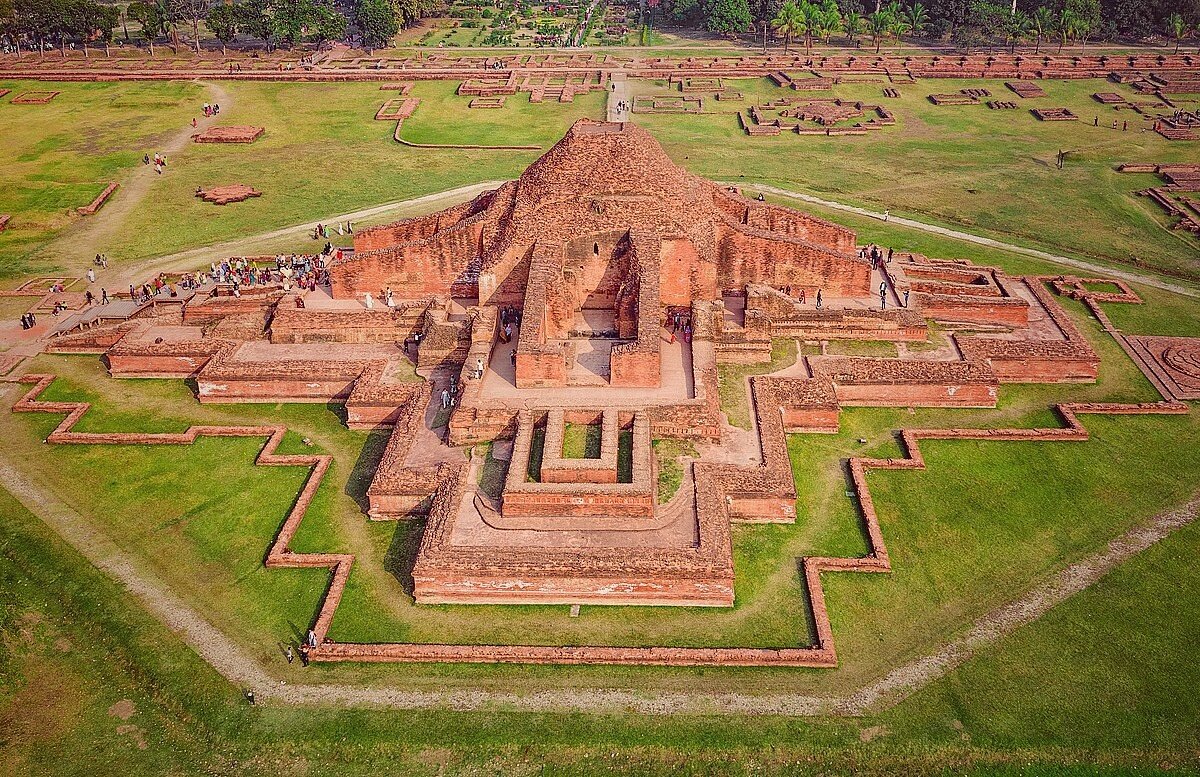
.jpg)
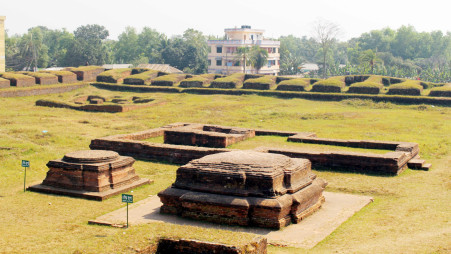
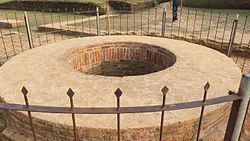
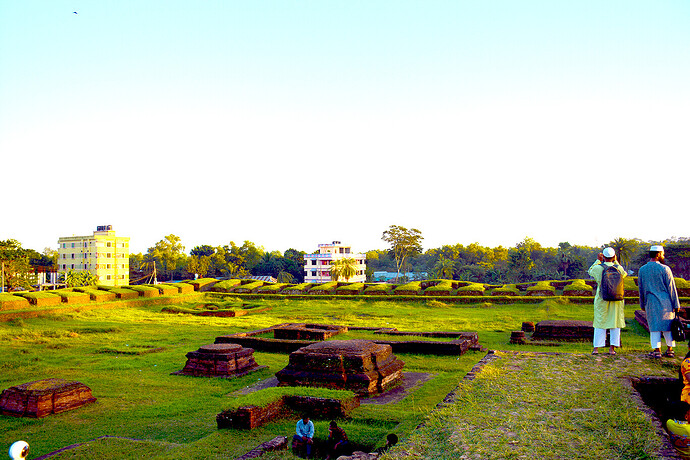
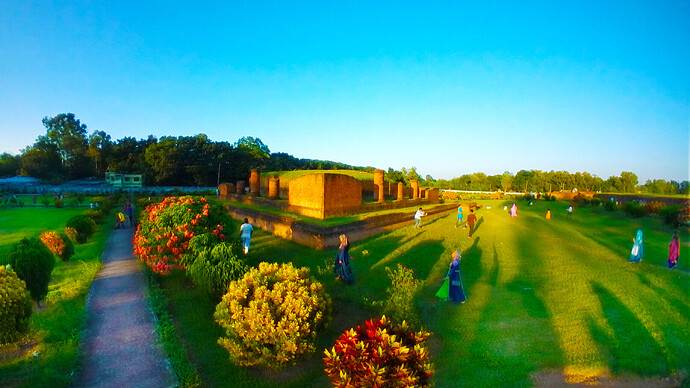
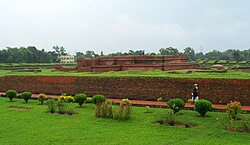
Open through the day and most accessible from the city of Cumilla, Shalban Vihara welcomes scholars, pilgrims, and travellers seeking an unhurried encounter with one of South Asia's great monastic landscapes. The on-site Mainamati Museum presents the finest movable artefacts recovered from the ridge.
To stand within the central courtyard of Shalban Vihara at first light is to recover, in a single moment, the contemplative geography of early Bengal — its bricks remember a discipline that the modern world has almost forgotten.Dr. Anjali SenguptaHistorian of Eastern Buddhism
Few sites in South Asia preserve, in such a coherent plan, the architectural logic of a monastic university. Shalban Vihara should be read alongside Nalanda and Paharpur — not as a province, but as a peer.Prof. Tariq HossainDepartment of Archaeology, University of Dhaka
Walking the cell-walls of Shalban Vihara, you understand at once that this was a place where the world came not to conquer, but to learn — a quiet university of the human spirit.Maitreyi BanerjeeHeritage Travel Writer
The terracotta plaques recovered here are among the most expressive examples of vernacular Buddhist iconography in the eastern subcontinent — a craft tradition still waiting to be fully read.Dr. K. M. AhsanCurator, Mainamati Museum
Whether you arrive as a scholar of Buddhist civilisation, a heritage traveller, or a quiet pilgrim, Shalban Vihara offers an encounter that is both intellectual and contemplative.